Power factor correction capacitorWhat is reactive powerHow does reactive power come into being? The AC system provides two forms of electric energy, active power and passive power.
Active power: All inductive devices operating in the AC system convert electrical energy from the power supply system into mechanical energy and thermal energy, which is called active power.
Reactive power: In order to achieve this transformation, it is necessary to establish magnetic fields in the equipment, and these magnetic fields are related to another form of electrical energy provided in the power supply system, which is called reactive power energy.
The existing forms of reactive power are as follows:
Reactive Power (Transformer, Motor, etc.) Required by Inductance Circuit
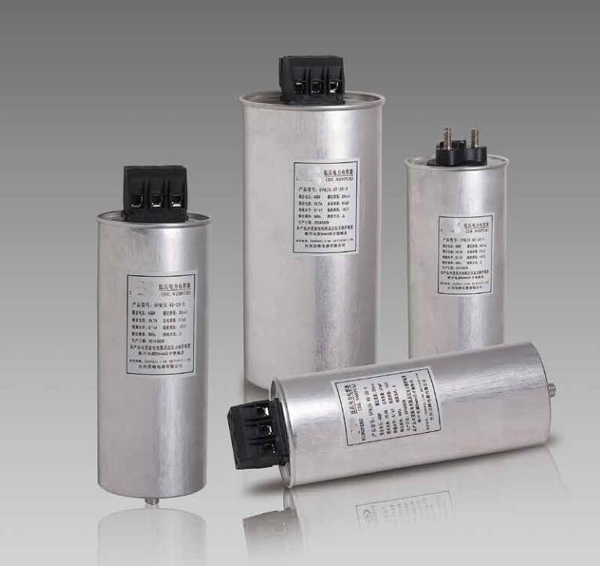
Cylinder reactive power capacitor ,400V 440V 690V , from 5Kvar to 25kvar ,50HZ/60HZ
 Reactive Power (Cable, etc.) Required by Capacitance Circuit
Active power KW = P, reactive power KVAR = Q, inductance reactive power + Q, capacitor reactive power - Q
Apparent power KVA = S
As long as the user has electric load such as motor transformer on site, he will consume reactive power, so the demand for reactive power is just needed for the user.
What is the power factor?
The power factor is the active power KW. The closer the power factor is to the maximum value of 1, the more favorable PF = P (KW)/S (KVA) is for users and power supply departments.
For example, if the power factor is only 0.7, if the power factor is not up to the standard, there will be a penalty for the electricity charge. The power factor reaches 0.95. If the power factor exceeds the assessment index, the power supply bureau will award a calendar.
Increase of efficiency
Correction of Power Factor to Improve Equipment Efficiency
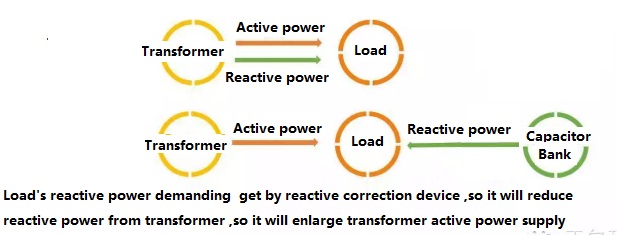
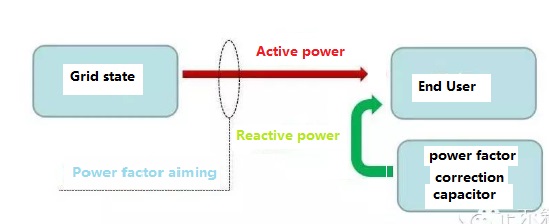
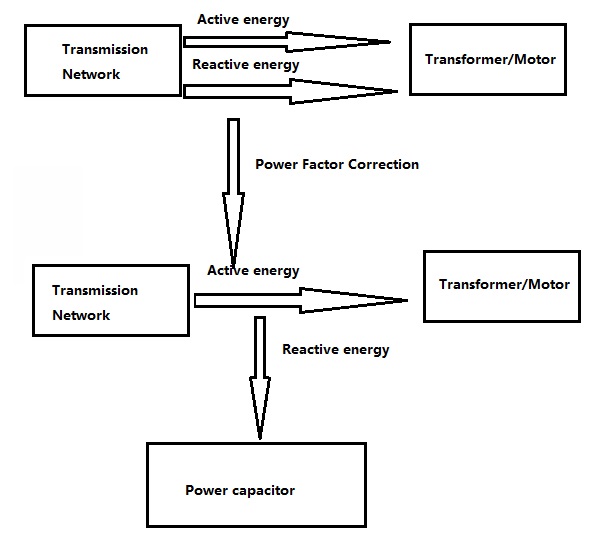 1, reactive power is necessary for your motor and transformer to work.2, you need to pay for low power factor; pay for both active energy and reactive energy.3, without power capacitor bank, your transformer is the only reactive power supplier.4, capacity of transformer is limited, more reacitve power, less active power resulting high cost but low efficiency.5, solution: installing a power capacitor bank to improve power factor and save cost.6, how to select capacitor bank? - consulting your engineer to calculate your needed reactive capacity in KVAR.- consulting our team for product quotation and solution.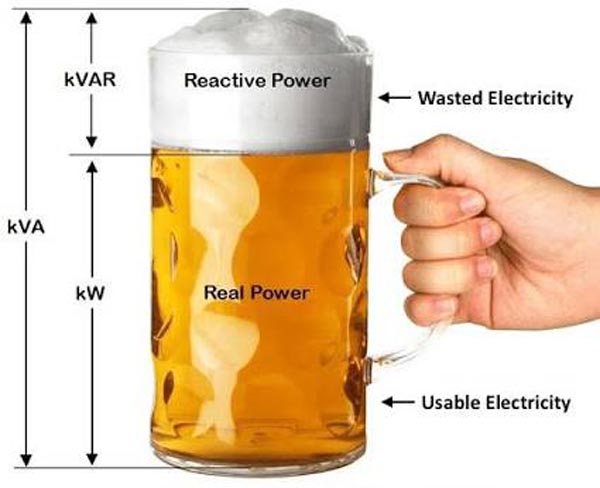


 How to Choose the Right Residential Load Center: The Complete Buying Guide
 Laos Electricité du Laos (EDL) Delegation Visits Beite Transformer Co., Ltd. for Technical Exchange and Strategic Cooperation,Company News
 Inside a Transformer Insulation Material Factory: How Reliable Insulation Components Are Manufactured
 Insulation Coordination for Low-Voltage Switchgear: IEC 61439 Design Requirements Explained

