A Complete Guide to Fuse Isolating Safety Switches for Industrial, Commercial and Outdoor Use
Choosing the right fused isolating safety switch is critical for the safe operation, daily maintenance, and compliance of photovoltaic (PV) systems. This guide will help you select the correct 2P 30A and 60A models for indoor and outdoor solar power stations, covering key points such as rated current, protection degree, number of poles, certification standards, and real‑world application matching to keep your equipment running reliably.
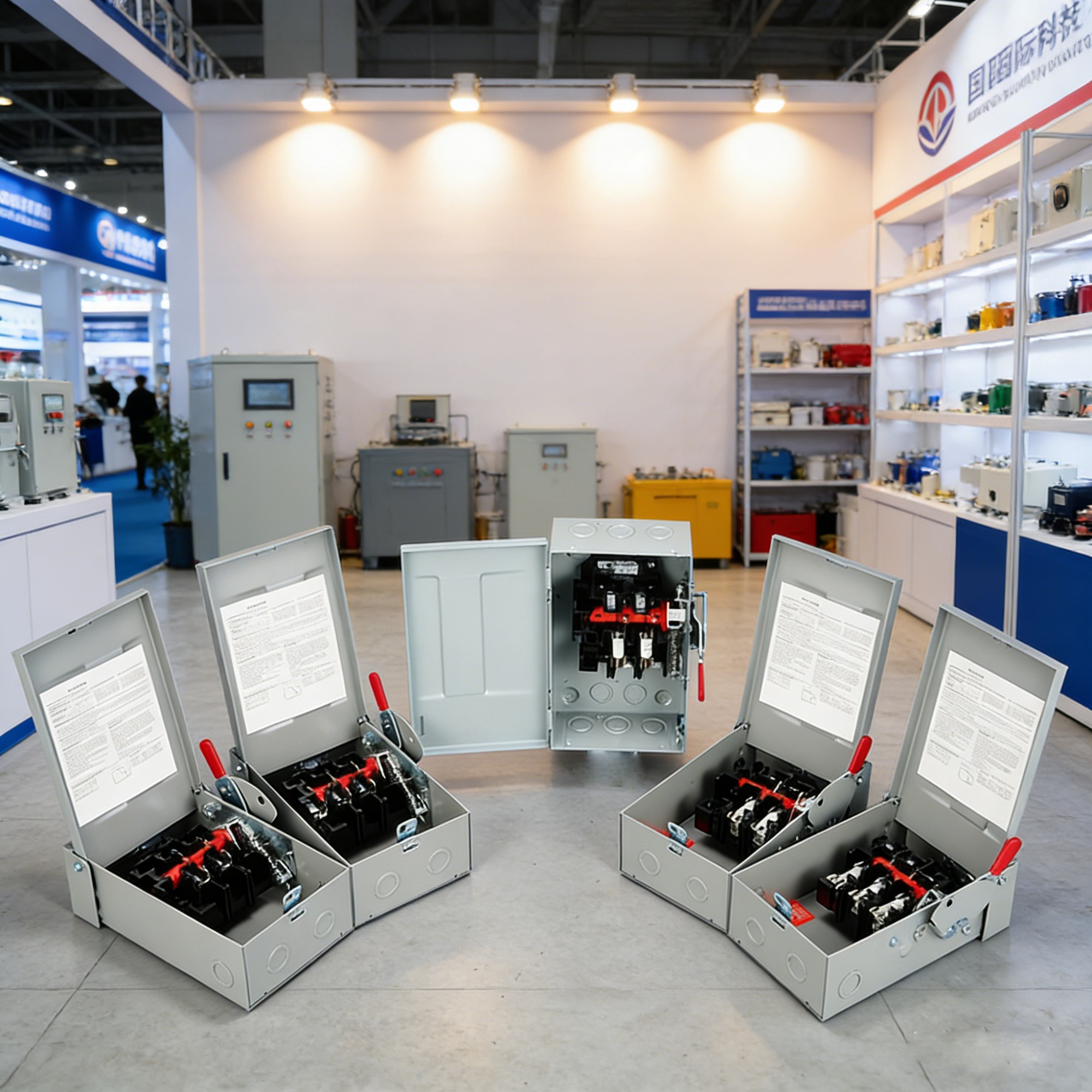
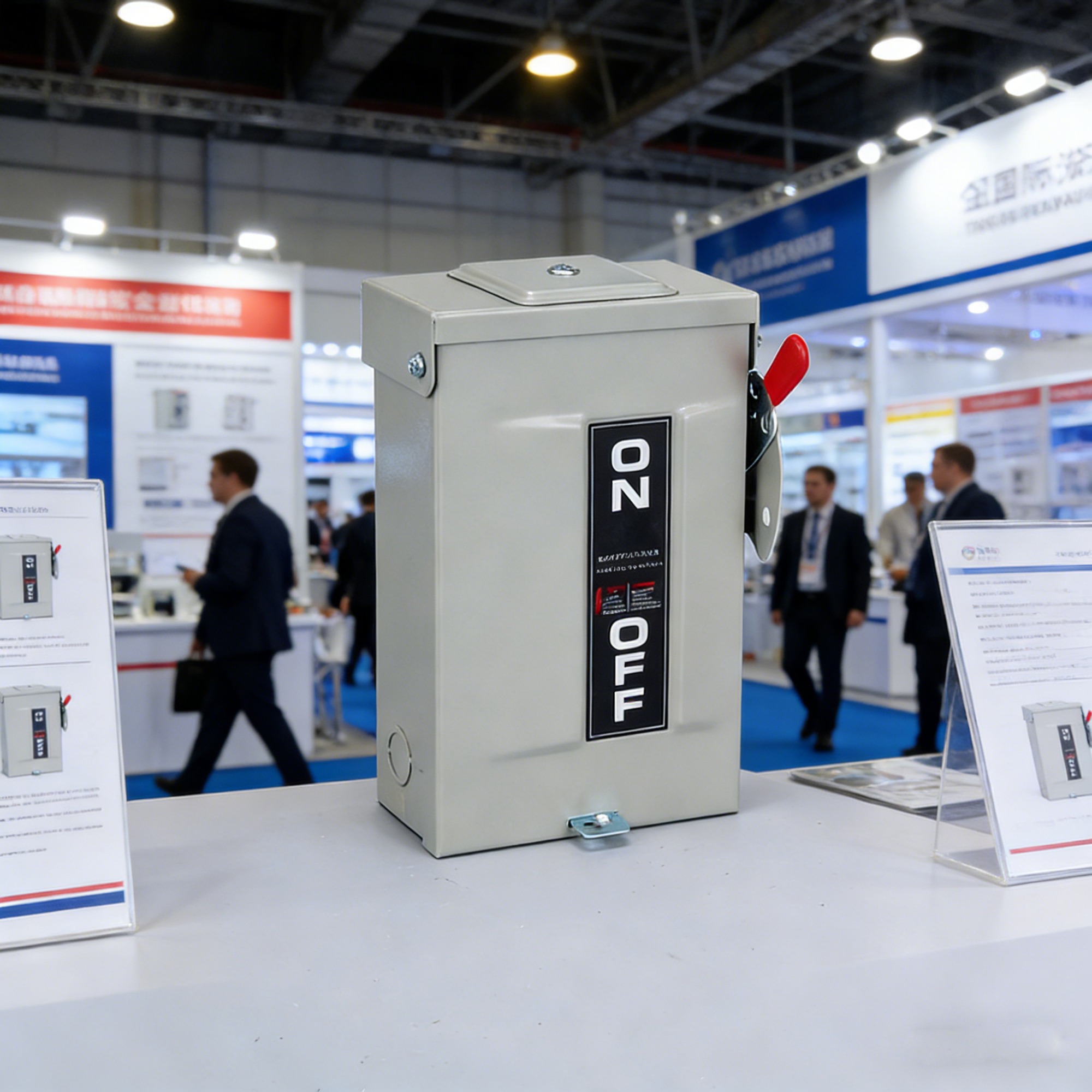
1. Why Do PV Systems Need 2P 30A / 60A Safety Switches?
A PV system includes DC string circuits, inverter connections, and grid‑tied / off‑grid power distribution. A safety switch provides visible isolation, fuse overcurrent protection, and emergency shutoff, effectively protecting solar panels, inverters, cables, and on‑site maintenance personnel.
2P 30A: Suitable for small residential PV systems, indoor combiner boxes, and single‑phase inverters
2P/3P 60A: Suitable for medium‑scale systems, outdoor PV arrays, three‑phase equipment, and industrial & agricultural solar projects
2. How to Select the Current Rating: 30A or 60A?
Using the correct current rating avoids nuisance tripping, overheating, and insufficient protection.
Base current calculation: PV string short‑circuit current × 1.25 (safety margin)
30A safety switch: For small systems up to 3kW, with string operating current ≤ 24A
60A safety switch: For systems from 3kW to 10kW, with string operating current ≤ 48A
The rated current should always be higher than the maximum operating current to prevent unwanted tripping during normal operation.
3. Can 2P Safety Switches Meet PV Circuit Requirements?
The pole configuration directly affects electrical isolation and operational safety.
2P: Switches both the live and neutral / DC poles simultaneously; standard for single‑phase PV, indoor installations, and small off‑grid systems
3P: Designed specifically for three‑phase 400–415V AC inverters and outdoor industrial PV systems
For PV DC circuits, 2P is the most common and reliable choice to achieve full circuit disconnection.
4. How to Choose the IP Rating for Indoor & Outdoor PV Installations?
The ingress protection rating directly determines service life and operational safety.
Indoor PV (combiner boxes, distribution rooms, garages): IP20
Dust‑protected, ideal for dry, enclosed indoor environments
Outdoor PV (rooftops, farms, construction sites): IP65 / NEMA 3R
Waterproof, rainproof, and dustproof; performs reliably in tropical climates and long‑term outdoor exposure
5. What Safety Features Are Essential for PV Applications?
Stable performance in solar environments depends on key design features.
Visible break point greater than 6mm for safe maintenance
Compatible with gG/gL fuses for overload and short‑circuit protection
Lockable red operating handle to prevent misuse
Dedicated PE grounding terminal on outdoor models (for 16–50mm² cables)
High‑current copper terminals suitable for both copper and aluminum cables
Heavy‑duty steel enclosure with anti‑corrosion coating on outdoor versions
6. What Certifications Ensure Global PV Market Compliance?
Certifications confirm safety and compliance, and simplify customs clearance and grid connection.
IEC 60947‑3
UL / CSA
NEC compliant
ISO 9001
These certifications support market access in the Philippines, Thailand, the Caribbean, Vietnam, Mexico, and other major global PV markets.
7. How to Choose Between Indoor and Outdoor Switches?
Select the model based on installation environment and system type.
2P 30A Indoor Safety Switch
2P 30A Outdoor Safety Switch
Applications: Residential PV combiner boxes, indoor inverters, small water pumps, single‑phase solar systems
Advantages: Compact size, cost‑effective, easy wiring in dry environments
2P/3P 60A Outdoor Safety Switch
2P 60A Indoor Safety Switch
Applications: Rooftop PV, agricultural irrigation, outdoor inverters, temporary solar power on construction sites
Advantages: Weatherproof, rust‑resistant, and compatible with three‑phase PV arrays
8. How to Ensure Voltage Compatibility for Global Grids?
PV systems operate with both AC and DC voltages.
Rated voltage: AC 440V / DC 32V
Frequency: 50/60Hz universal
Compatible with global grid standards and most on‑grid / off‑grid PV inverters
FAQ
Can indoor 30A safety switches be used outdoors in PV systems?
No. Indoor models have an IP20 rating and are not waterproof. Outdoor use may cause equipment failure and electric shock risks. For outdoor installations, use IP65/NEMA 3R outdoor‑rated models.
What fuse size should I use for 30A / 60A switches?
30A switch: 25–30A gG/gL fuse
60A switch: 50–60A gG/gL fuse
We can provide professional selection support based on your actual load.
Do you offer samples for PV system testing?
Yes, we provide samples for testing and verification. Sample costs can be deducted from your bulk order payment.
Conclusion
When selecting 2P 30A and 60A fused safety switches for PV systems, the main factors to consider are rated current, pole configuration, IP protection, certification, and installation environment.
Our GAK series offers fully certified, highly durable solutions for all types of indoor and outdoor solar projects, delivering reliable protection for global PV markets.
If you need datasheets, pricing, or customized PV safety solutions, feel free to contact us anytime.

 How to Choose the Right Residential Load Center: The Complete Buying Guide
 Laos Electricité du Laos (EDL) Delegation Visits Beite Transformer Co., Ltd. for Technical Exchange and Strategic Cooperation,Company News
 Inside a Transformer Insulation Material Factory: How Reliable Insulation Components Are Manufactured
 Insulation Coordination for Low-Voltage Switchgear: IEC 61439 Design Requirements Explained

