
When choosing the right meter socket for your electrical installation, understanding the difference between ring-type vs. ringless meter sockets is essential—especially when working with trusted brands like Siemens.
Whether you’re managing a residential build, a multi-tenant complex, or a commercial retrofit, this guide breaks down the purpose of ring-style vs. ringless metering, utility preferences, and when to use each type.
A ring-type meter socket features a removable ring that mechanically locks the meter in place. Once installed, the utility company places a meter sealing ring over it, which must be cut or removed by authorized personnel to access the meter.
Purpose: Provides a secure, tamper-resistant installation.
Used In: Legacy systems, rural areas, or where utilities require maximum physical security.
Meter Security: High — sealed directly around the meter.
Snap type Meter socket ring 
Screw type Meter base ring 
Belt type book slip lock sealing ring 
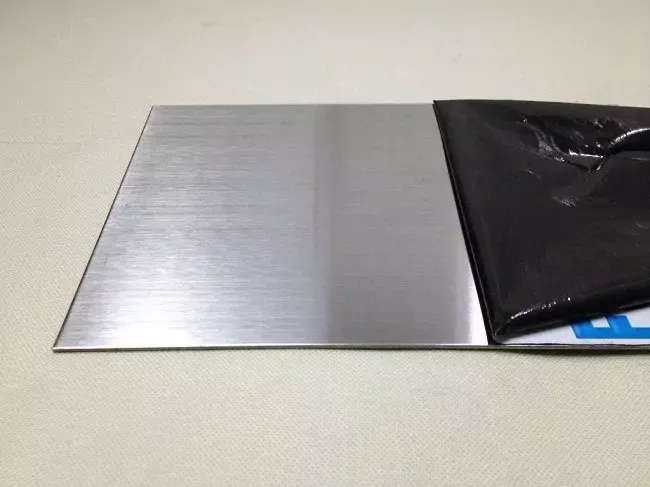
1.2 201 stainless steel contains more manganese, but 304 contains less; From the material surface color, 201 stainless steel contains more manganese element so that the surface color is darker than 304, 304 should be brighter and whiter, but this is not easy to distinguish them by the naked eye.
1.3 Because of the different content of nickel element, the corrosion resistance of 201 is not as good as that of 304; What’s more, the carbon content of 201 is higher than that of 304, so 201 is harder and more brittle than 304. 304 has better toughness: If you use a hard cutting knife on the surface of 201,there will generally have a very obvious scratch, however the scratch on 304 will not be very obvious.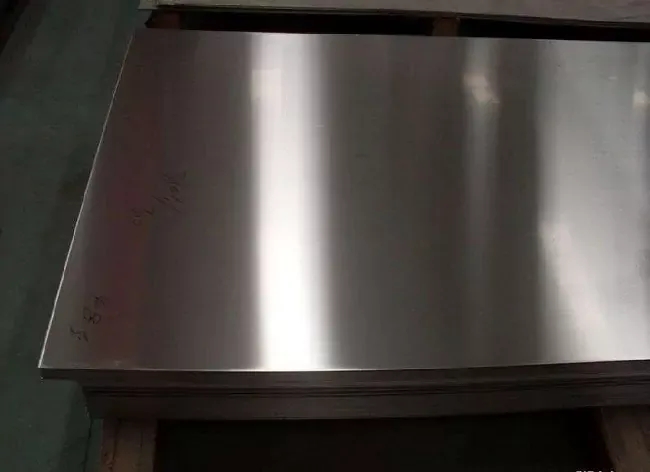
The utility requires ring-type for tamper security.
You're servicing an older or rural installation.
The jurisdiction mandates a sealed, high-security meter.
Before selecting your Siemens meter socket, always confirm:
EUSERC compliance (if applicable)
Local utility metering standards
Amperage and gang count requirements
Ringless meter sockets are becoming the standard for most modern electrical applications, thanks to their ease of use and compatibility with utility practices. However, ring-type sockets still play an important role where extra meter security is required or where utilities mandate their use.
For reliable, code-compliant solutions, Siemens meter sockets deliver unmatched performance—whether you're installing a 2-gang ring-type meter socket or a 400A ringless Uni-PAK metering panel.
 How to Choose the Right Residential Load Center: The Complete Buying Guide
 Laos Electricité du Laos (EDL) Delegation Visits Beite Transformer Co., Ltd. for Technical Exchange and Strategic Cooperation,Company News
 Inside a Transformer Insulation Material Factory: How Reliable Insulation Components Are Manufactured
 Insulation Coordination for Low-Voltage Switchgear: IEC 61439 Design Requirements Explained

